Category: Uncategorized

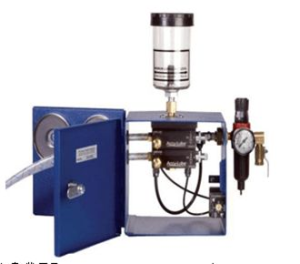
Minimum Quantity Lubrication (MQL): The Key to Deep Hole Machining

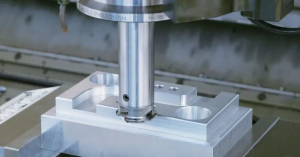
In modern metal cutting processes, cooling and lubrication play a critical role in ensuring tool performance, surface finish, and overall machining efficiency. Deep hole drilling, in particular, presents unique challenges due to limited chip evacuation, high heat generation, and restricted access to the cutting zone. Traditional flood cooling systems often fail to deliver satisfactory results
Read More »

What is Titanium Alloy?

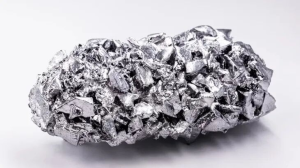
1. The History of Titanium Titanium, one of the most valuable metals in modern industry, has a fascinating history that began more than a century ago. Although the element itself was discovered in 1791 by the British clergyman and mineralogist William Gregor, it wasn’t until 1910 that the American chemist Matthew Hunter succeeded in isolating titanium

Read More »

10 Common Problems in Deep Hole Machining — and How to Solve Them Like a Pro

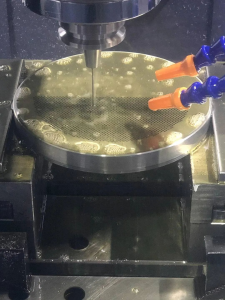
Deep hole machining is one of the most demanding processes in modern manufacturing.When holes reach depths exceeding 7× their diameter, challenges such as tool deflection, poor surface finish, or diameter deviation become common. For industries like aerospace, automotive, and hydraulic engineering — where precision and reliability are everything — solving these issues is essential. In

Read More »

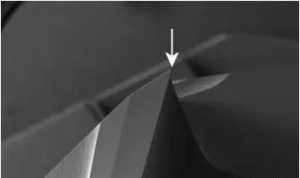
Understanding Tool Passivation: Enhancing Cutting Tool Performance

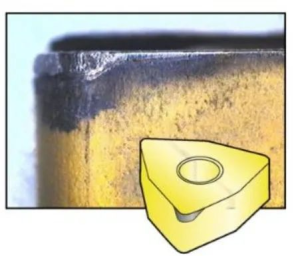
In the world of machining and precision manufacturing, the longevity and performance of cutting tools are critical to ensuring high-quality production and cost efficiency. One important process that plays a pivotal role in improving tool life and quality is tool passivation. This process is designed to treat cutting tools after they undergo sharpening or other

Read More »

4 Key Steps to Choosing the Best Cutting Tool for Parting and Grooving

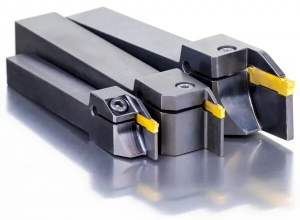
In precision machining, parting and grooving operations may look simple — but tool selection can make or break your productivity. The right cutting tool not only ensures clean, burr-free cuts but also extends tool life and minimizes machine downtime. If you’ve ever faced tool breakage, chatter, or inconsistent surface finishes when parting small components, this guide

Read More »

Do You Know How Ceramic Cutting Tools Are Made?

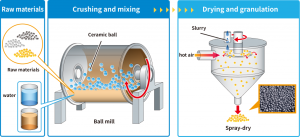
In modern CNC machining, the competition for higher precision, longer tool life, and faster cutting speeds never stops. While many engineers and machinists are familiar with carbide cutting tools, few truly understand the science and craftsmanship behind ceramic cutting tools—the quiet powerhouse that’s revolutionizing high-speed machining. This article takes you inside the fascinating world of

Read More »

Do You Really Understand Deep Hole Drilling?

When it comes to precision machining, few processes are as fascinating—or as critical—as deep hole drilling. It’s a technique that goes far beyond standard drilling, enabling manufacturers to achieve exceptional accuracy and depth in complex parts. But do you truly understand what deep hole drilling involves, how it works, and why it’s so vital to

Read More »

An In-Depth Guide to the 18 Types of Stainless Steel

Stainless steel is one of the most widely used materials in modern manufacturing and industrial applications. Its unique properties, such as resistance to corrosion, strength, and formability, make it a versatile material across various industries, from medical tools to automotive parts. In this post, we will explore the 18 different types of stainless steel, examining

Read More »

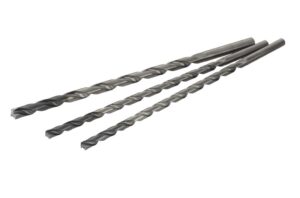
Carbide Drill Bits: Structure, Design, and Applications

Carbide drill bits are essential tools used in various high-precision and high-efficiency manufacturing processes. These tools are made from carbide, a material known for its hardness and wear resistance, making carbide drill bits ideal for drilling tough materials such as titanium alloys, aluminum alloys, and composites. This blog will delve into the structure, design, applications,

Read More »

Why Is Titanium Alloy So Difficult to Machine?

Titanium alloys are renowned for their exceptional properties such as low density, high strength, and excellent corrosion resistance, making them a vital material in industries like aerospace, energy, medical devices, and shipbuilding. Despite these advantages, titanium alloys are notoriously challenging to machine. Their difficult machinability stems from the combination of physical and chemical properties that

Read More »

A Technical Comparison for Precision Machining

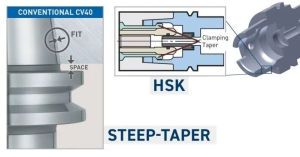
Introduction The tool holder serves as the mechanical bridge between the cutting tool and the spindle, directly determining machining precision, stability, and tool life. Among the most widely used interfaces in modern CNC machining are HSK (Hohl Shaft Kegel), CAT/BT, BIG-PLUS, and Coromant Capto. Each was designed to meet evolving demands for higher speeds, tighter

Read More »

Is the Price Too High? Let Our Samples Prove the Value

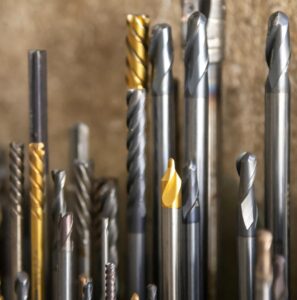
When you scan through our catalogs of CNC cutting tools, price is the very first thing that will come to your mind. You may notice that some suppliers can offer carbide end mill at a cheaper price. But you shouldn’t just focus on the price tag. It is also important to consider the real story

Read More »

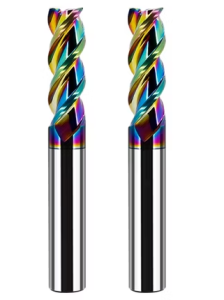
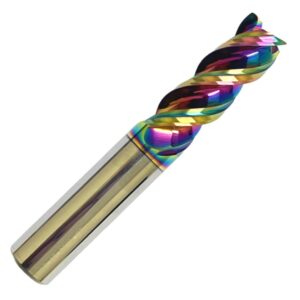
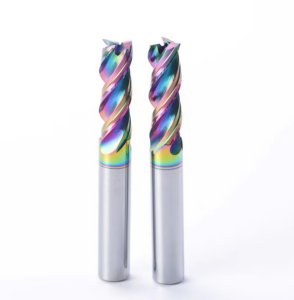
Huana Variable-Helix DLC Coated End Mills for High-Speed Machining – Revolutionizing Manufacturing Efficiency

High-speed machining or HSM is transforming the modern manufacturing processes. They enable manufacturing plants to achieve high production speeds, while ensuring excellent accuracy. These machines operate at cutting speeds and feed rates that are significantly high. As a result, they are highly sought after in industries where precision and efficiency are paramount. One of the

Read More »

Case Study: Reducing Tool Wear 40% with Huana DLC End Mills

Manufacturing precision parts from aluminum can be challenging. The persistent issues in CNC aluminum machining can even keep production managers awake at night. Among these issues, tool wear holds a prominent place. When cutting tools fail prematurely, the ripple effects cascade through the entire production line. As a result, the production lines will experience issues

Read More »

Best Equipment for Reverse Taper Processing of Drill Bits

Manufacturers try to drill with precision into hard materials. When regular drills fail, reverse taper processing comes to the rescue. This turns ordinary bits into precision tools for planes, medical gear, and cars. A special CNC grinder shapes the drill bits. They’re wide at the end, making it easier for chips to come out and

Read More »

Best Spiral Flute Grinding Machine for Carbide Drills

To make very good carbide drill bits, you need special machines to cut the twisty grooves perfectly. These grooves help the drill work better and last longer. So, drill makers now use advanced 5-axis CNC grinders to meet the high standards expected of pro-quality carbide drill bits. Grinding the spiral grooves requires precise accuracy. Old

Read More »

How to choose a cylindrical grinding machine for carbide drills

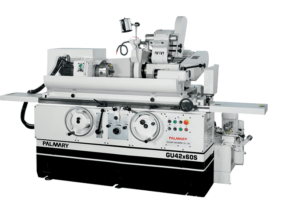
Carbide drill bit manufacturing implies having specific knowledge of cylindrical grinding. It is a manufacturing process that forms and sharpens cutting tools with amazing precision. Most manufacturers have a problem choosing the correct equipment to use in their carbide drill production requirements. Cylindrical grinding Carbide blanks are cylindrical-shaped grinding products that are manufactured into cutting

Read More »