
In the world of machining and precision manufacturing, the longevity and performance of cutting tools are critical to ensuring high-quality production and cost efficiency. One important process that plays a pivotal role in improving tool life and quality is tool passivation. This process is designed to treat cutting tools after they undergo sharpening or other forms of surface modification, primarily to enhance their functionality. In this blog post, we’ll explore the main reasons why passivation is used on cutting tools, its objectives, and the effects it has on tool performance.
What is Tool Passivation?
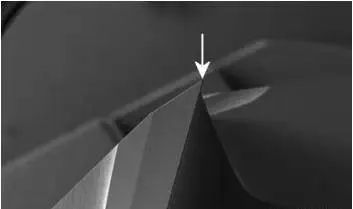
Tool passivation refers to the process of dulling or smoothing the cutting edges of a tool, typically through mechanical or chemical means. This treatment helps to address microscopic flaws, such as cracks or irregularities, on the tool’s surface, improving its durability and performance during cutting operations. The primary goal is to enhance the tool’s ability to withstand the stress and wear experienced during machining without compromising its cutting precision.
Passivation is commonly applied to tools used in high-precision machining where maintaining sharpness and preventing tool failure are essential for ensuring quality results. By smoothening out the cutting edge, passivation helps mitigate the issues associated with stress concentration that can lead to tool breakage or poor surface finish on the workpiece.
Why Is Tool Passivation Important?
The main purpose of tool passivation is to improve the overall strength and effectiveness of cutting tools. Here are the key benefits it offers:
1. Increased Tool Strength and Wear Resistance
Sharp cutting edges on tools are prone to microscopic cracks or breakage during use. Tool passivation reduces the risk of these cracks and helps distribute the cutting forces more evenly across the tool, significantly improving its strength and resistance to wear.
2. Reduced Tool Wear
Tools that undergo passivation treatment tend to maintain their cutting ability for a longer period, as the passivation process rounds the tool edges, reducing the concentration of stress that often leads to premature wear. This process ensures that tools last longer before needing to be replaced or re-sharpened.
3. Improved Surface Finish Quality
A smooth cutting edge reduces the likelihood of rough surfaces on the machined workpiece. By passivating the tool, manufacturers can achieve a finer, smoother finish on parts, particularly in high-precision operations such as medical equipment manufacturing and automotive parts production.
4. Reduced Cutting Resistance
Passivating the tool reduces friction between the tool and the material being cut, which decreases the cutting resistance. This reduction in resistance improves the stability of the tool during operation, allowing for more efficient cutting and less heat generation.
5. Enhanced Consistency in Machining
Tools treated with passivation are more stable across multiple operations. This leads to consistent performance, even under challenging machining conditions. The result is improved reliability in achieving the desired cut, which is crucial for industries where precision is key.
The Effects of Tool Passivation
Let’s dive deeper into the effects passivation has on the performance and lifespan of cutting tools.
Edge Rounding and Surface Smoothing
One of the main effects of passivation is the rounding of the cutting edge. This helps prevent the tool from experiencing abrupt wear at the tip, reducing the chance of chipping or cracking. Passivated tools have smoother, more durable edges, which improves their ability to maintain sharpness longer, ultimately extending tool life.
Table 1: Effects of Passivation on Cutting Tools
Effect | Description | Benefits |
Edge Rounding | Softening sharp edges to prevent cracking | Increases tool strength and reduces tool failure |
Surface Smoothing | Reducing microscopic defects and roughness on edges | Enhances tool stability and consistency in cutting |
Wear Resistance | Reducing wear caused by friction and contact stress | Extends tool life and reduces frequency of tool replacement |
Improved Surface Finish | Achieving smoother cuts on workpieces | Reduces post-processing work and improves product quality |
Lower Cutting Resistance | Reducing friction between tool and material | Enhances cutting efficiency and reduces energy consumption |
Polishing of Flutes and Grooves
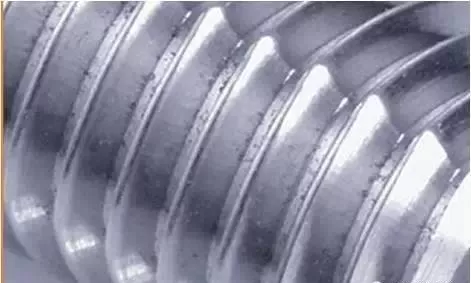
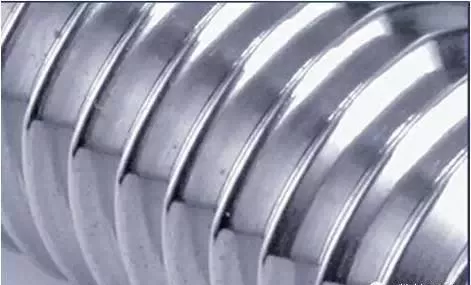
Cutting tools with flutes or grooves, such as drills and end mills, benefit from polishing treatments. Passivating the grooves improves chip removal and the overall performance of the tool. A smoother groove surface reduces the likelihood of material buildup, preventing tool blockage and improving cutting speed.
A well-polished flute also contributes to improved material removal rates. With better chip evacuation, tools can cut faster and with less power consumption, which makes the process more efficient.
Coating Smoothing
For tools that are coated, the surface often develops small droplets or protrusions, which can increase the tool’s roughness. These droplets create additional friction during cutting, generating excessive heat and slowing down the cutting process. After passivation, these small droplets are smoothed out, leaving behind micro-holes on the surface.
These micro-holes help absorb cutting fluids, such as coolants and lubricants, reducing heat buildup during cutting operations. This cooling effect allows tools to operate at higher speeds and achieve better performance without the risk of overheating.
Practical Benefits of Tool Passivation
Enhanced Tool Life
The increased strength and reduced wear of passivated tools significantly enhance their longevity. Tool life can be extended by up to 40%, which lowers maintenance costs and reduces downtime in manufacturing processes.
Improved Cutting Speed and Efficiency
Due to the reduced cutting resistance and friction, passivated tools can operate at higher speeds and with greater efficiency. This increased cutting speed is vital in industries where time is critical, such as automotive or aerospace manufacturing.
Higher Precision in Machining
The smoother edges and improved stability of passivated tools ensure more consistent and precise cutting. This is particularly crucial in high-precision industries like medical device manufacturing, where even the smallest variance can affect the end product.
Reduction in Heat Generation
Tools that undergo passivation experience less friction during cutting, leading to reduced heat generation. This reduction in heat lowers the risk of thermal damage to both the tool and the workpiece. It also extends the tool’s usable life, as high temperatures can degrade tool materials over time.
When Should Passivation Be Used?
Passivation should be considered whenever tools are subjected to frequent and intensive use, especially in high-precision industries. The process is particularly beneficial for tools used in operations involving:
High-Speed Cutting: Tools that need to perform under high rotational speeds can benefit from reduced friction and heat generation after passivation.
Precision Machining: Tools used to achieve fine finishes and tight tolerances will maintain their cutting ability for longer periods when passivated.
Heavy Duty Operations: Tools used in operations that involve heavy material removal or hard-to-machine materials like titanium or Inconel can last longer with passivation.
Conclusion
Tool passivation is an effective and vital process that improves the performance, durability, and precision of cutting tools. By enhancing tool strength, reducing wear, and smoothing cutting edges, passivation plays a crucial role in the longevity and efficiency of machining operations. As industries push for faster production cycles, greater precision, and reduced downtime, the benefits of passivated tools will continue to be integral in achieving these goals.
Through proper tool treatment and maintenance, manufacturers can extend tool life, improve the quality of their output, and enhance overall efficiency in their operations. Whether in the automotive, aerospace, medical, or general manufacturing sectors, the adoption of passivated cutting tools is a smart investment that pays off in both cost savings and superior performance.