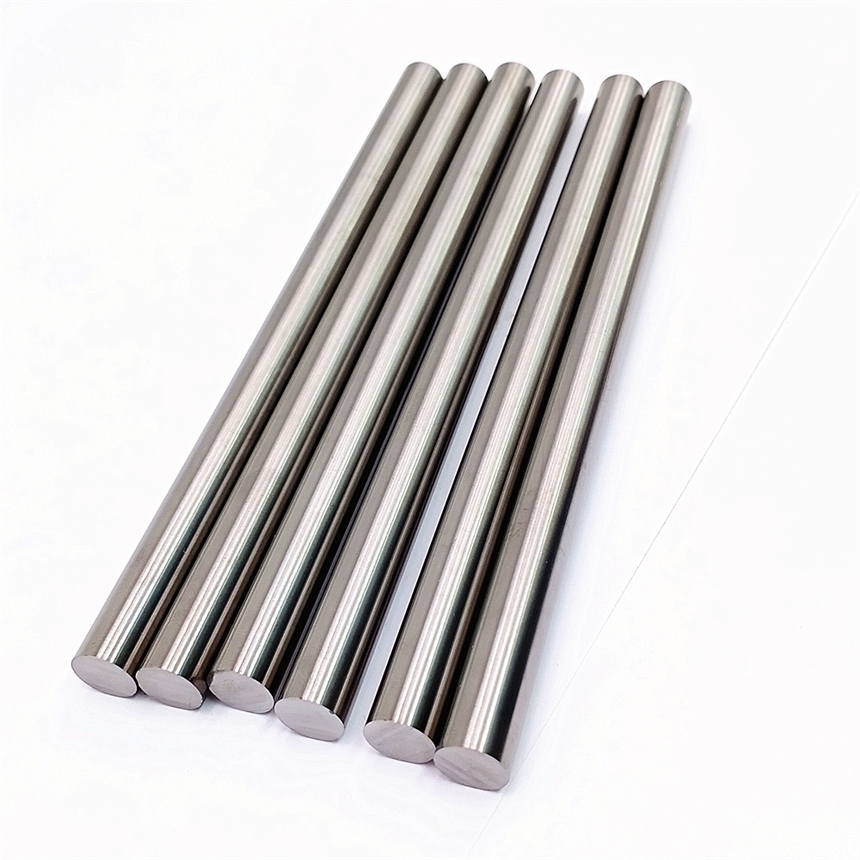
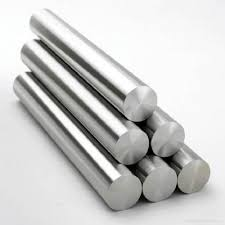

Carbide rods are one of the most essential raw materials in the manufacturing and machining world. With unmatched hardness, wear resistance, and temperature stability, carbide rods are widely used in cutting tools, industrial machinery, aerospace components, and more. In this guide, we will explore what carbide rods are, how they are manufactured, their types and advantages, key applications, and what to consider when buying or using carbide rods in your factory.
Carbide rods—most commonly tungsten carbide rods—are cylindrical bars made from tungsten carbide particles bonded by a metallic binder, typically cobalt. This composite structure gives carbide rods extreme hardness (often second only to diamond) and strong resistance to wear.
| Property | Tungsten Carbide Rod | Silicon Carbide Rod |
|---|---|---|
| Hardness | Very High (≈9 on Mohs) | Very High |
| Wear Resistance | Excellent | Excellent |
| Temperature Stability | High | Very High |
| Toughness | High (with Binder) | Moderate (ceramic) |
| Typical Uses | Cutting tools, wear parts | High-temp components, positioning pins |
Carbide rods are produced through powder metallurgy, where tungsten carbide powder and cobalt binder are formed into rods and sintered under high temperature and pressure.
| Rod Type | Characteristics | Typical Application |
|---|---|---|
| Solid Carbide Rod | No internal holes, full density | End mills, drills |
| Carbide Rod with Coolant Hole | Cools tool during high-speed cuts | Deep drilling |
| Silicon Carbide Rod | Ceramic, extreme temperature use | Furnace components |
| Specialty Coated Carbide | Coated for wear reduction | High-precision machining |
Carbide rods are chosen in advanced manufacturing because they provide:
Extremely high hardness and abrasion resistance
Superior tool life compared to steel or HSS
High efficiency in machining operations
Suitable for high-speed and heavy-load machining
| Feature | Carbide Rod Tools | HSS Tools |
|---|---|---|
| Wear Resistance | ⭐⭐⭐⭐⭐ | ⭐⭐ |
| Cutting Speed | ⭐⭐⭐⭐⭐ | ⭐⭐ |
| Tool Life | ⭐⭐⭐⭐⭐ | ⭐⭐ |
| Cost | Higher | Lower |
Carbide rods are the raw material for tools like end mills, reamers, drills, taps, and bore tools—all of which benefit from carbide’s performance.
| Industry | Typical Use | Why Carbide Works |
|---|---|---|
| Automotive | Engine parts machining | Precision + durability |
| Aerospace | Hard alloy material machining | High temp + strength |
| Oil & Gas | Drilling tools | Abrasion resistance |
| Mining | Heavy-duty bits | Wear resistance |
| Electronics | Silicon carbide tools | Thermal stability (钨人) |
✔ Match rod grade to material (steel, aluminum, composites)
✔ Choose rod shape & coolant holes based on cutting conditions
✔ Consider coating treatments for increased life
✔ Work with reliable suppliers to ensure consistency
Carbide rods are foundational materials in modern industrial toolmaking. From enhancing machine performance to lowering manufacturing cost-per-part, carbide rods are vital to efficient production. Whether you’re an engineer, purchaser, or tooling specialist, understanding carbide rod properties and uses ensures smarter decisions in tooling selection.
Built for durability and precision, our carbide end mills, inserts, and drills are trusted in aerospace, automotive, and mold-making industries.
From spiral bits to specialty cutters, our woodworking tools ensure clean cuts and extended tool life for professionals.
We usually reply your message within 3 bussiness hours.