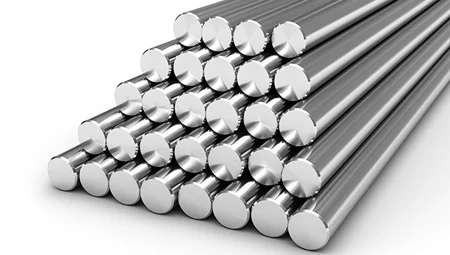

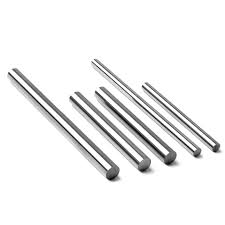
Silicon carbide rods (SiC rods) have become fundamental components in high-temperature industrial environments because of their exceptional thermal performance, resistance to oxidation, and ability to function under extreme heat. These characteristics make them vital in sectors like electric furnaces, ceramics, glass, metallurgy, semiconductors, and more.
In this blog, we will explore what silicon carbide rods are, how they are made, key properties, the primary industries that use them, practical selection tips, and their advantages over alternative materials.
Silicon carbide rods are ceramic heating elements and structural components made from high-purity silicon carbide material. They are sintered at extremely high temperatures (often above 1600°C) to form a solid, durable rod with outstanding heat resistance and stability.
Manufacturing typically involves sintering silicon carbide powder under high temperature and controlled conditions to produce a dense rod. This process ensures high thermal conductivity, minimal deformation under heat, and strong mechanical strength.
| Property | Silicon Carbide Rod | Conventional Metal Heating Element |
|---|---|---|
| Maximum Operating Temp | Up to ~1600–1800°C (2957°F+) | Typically < 1200°C |
| Thermal Conductivity | High | Moderate |
| Oxidation Resistance | Excellent | Low |
| Structural Stability | Very High | Moderate |
| Durability in Harsh Environments | Excellent | Limited |
Silicon carbide rods offer unique benefits:
These rods can sustain operation at temperatures exceeding 1600°C and even up to 1800°C in some designs, making them ideal for extreme heat processes.
SiC rods maintain shape and performance even after repeated heat cycles, reducing maintenance needs and downtime.
Unlike many metals, silicon carbide resists oxidation and chemical corrosion at high temperatures, extending service life.
SiC rods heat rapidly, enabling quicker furnace warm-up times and energy efficiency.
Silicon carbide rods are widely used as electrical heating elements in tunnel kilns, roller kilns, vacuum furnaces, muffle furnaces, and melting furnaces across ceramics, glass, and metallurgy industries.
In semiconductor manufacturing, SiC rods provide stable high-temperature environments for crystal growth and heat treatments where precision and purity are crucial.
High-temperature sintering for metal parts and ceramics often relies on SiC element performance for uniform heat distribution and reliability.
SiC rods are used in high-temperature testing equipment and experimental furnaces due to their stability and consistent heat output.
| Industry | Common Application | Why SiC Rods Are Preferred |
|---|---|---|
| Ceramics | Tunnel kiln heating | Maintains uniform temp |
| Glass | Float glass melting | Withstands extreme heat |
| Metallurgy | Heat-treating metals | High thermal stability |
| Semiconductor | Wafer processing | Precise temperature control |
| R&D Labs | Experimental furnaces | High reliability |
Silicon carbide rods come in different forms suited to specific furnaces or processes:
Standard form for many industrial furnaces.
For compact furnace designs requiring uniform heat distribution.
Used for specialized heat outputs and higher oxidation resistance.
| Rod Configuration | Best Used In | Benefit |
|---|---|---|
| Straight | Tunnel/box kilns | Easy installation |
| U-Shaped | Walker/roll furnaces | Efficient heat zones |
| W-Shaped | Large industrial furnaces | Uniform distribution |
| Spiral | HVAC & gas furnaces | Quick heat response |
Better thermal conductivity and fast heat-up reduce overall energy usage.
Durable material means fewer replacements and downtime.
Stable high temperatures lead to better product quality in ceramics, metallurgy, and electronic materials.
| Material | Max Temp (°C) | Oxidation Resistance | Service Life |
|---|---|---|---|
| Silicon Carbide | ~1600–1800+ | Excellent | Long |
| Nichrome | ~1200 | Moderate | Medium |
| Kanthal Elements | ~1400 | Good | Good |
To ensure optimal performance:
✔ Check operating temperature limits for your furnace type.
✔ Choose appropriate rod shape (straight, U-type, etc.) based on your heating zone design.
✔ Confirm rod diameter & length to match power and heat requirements.
✔ Purchase from trusted suppliers with quality control for consistent performance.
Silicon carbide rods are indispensable for high-temperature industrial applications due to their:
✔ Exceptional heat resistance up to 1800°C+
✔ Superior thermal and oxidation performance
✔ Longevity in harsh environments
✔ Versatile industry usage
Whether in advanced materials manufacturing, semiconductor processing, or scientific research, SiC rods deliver high-performance heating and stability where it matters most.
Built for durability and precision, our carbide end mills, inserts, and drills are trusted in aerospace, automotive, and mold-making industries.
From spiral bits to specialty cutters, our woodworking tools ensure clean cuts and extended tool life for professionals.
We usually reply your message within 3 bussiness hours.