
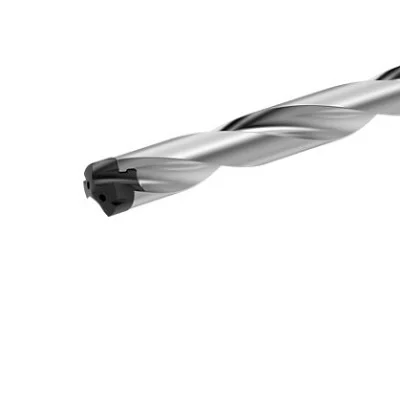
When choosing a drilling tool, many users still rely on traditional single-function drills. However, the rise of the modular drill system has changed how professionals and DIY users approach drilling and fastening tasks. A modular drill combines multiple functions into one platform, offering greater flexibility, efficiency, and long-term value.
In this article, we compare modular drill systems with traditional drills to help you decide which solution best fits your needs.
1. What Is a Traditional Drill?
A traditional drill is designed for a single primary function—drilling holes. While some models offer adjustable speed or torque, they usually require separate tools or accessories for driving, angle drilling, or specialty tasks.
Limitations of traditional drills
One function per tool
Requires tool changes for different tasks
Limited access in tight spaces
Higher total tool count
2. What Makes a Modular Drill System Different?
A modular drill system is built around interchangeable modules. Users can switch between drilling, driving, and angle access by changing attachments instead of replacing the entire tool.
Common modules include:
Modular drill bit system
Driver module
Extension adapters
Offset adapters
Dewalt modular right angle drill attachment
This modular approach allows one tool to handle many tasks efficiently.
3. Performance Comparison: Modular vs Traditional
Key differences
Modular drills offer faster task switching
Traditional drills may require multiple tools
Modular systems reduce downtime
Right-angle attachments improve accessibility
For installers and technicians, these differences significantly impact productivity.
4. Table: Modular Drill vs Traditional Drill Comparison
| Feature | Modular Drill System | Traditional Drill |
|---|---|---|
| Functions | Multiple (drill, drive, angle) | Mainly drilling |
| Tool changes | Attachment swap | Full tool change |
| Space efficiency | High | Low |
| Tight-space access | Excellent (right-angle modules) | Limited |
| Long-term cost | Lower | Higher |
| Expandability | High | Very limited |
5. Application Scenarios
Home & DIY Projects
Tools like the Black and Decker modular drill and Craftsman modular drill replace multiple household tools, making them ideal for furniture assembly and small repairs.
Professional Trade Work
Kits such as the Stanley modular drill and driver set and Montana modular drill and drive set allow fast transitions between tasks on job sites.
Tight-Space Work
Using a Dewalt modular flextorq right angle drill attachment or Dewalt 2-in-1 modular right angle drill attachment solves space constraints that traditional drills cannot handle.
6. Industrial and CNC Applications
In manufacturing and CNC environments, precision and stability are critical.
Industrial solutions
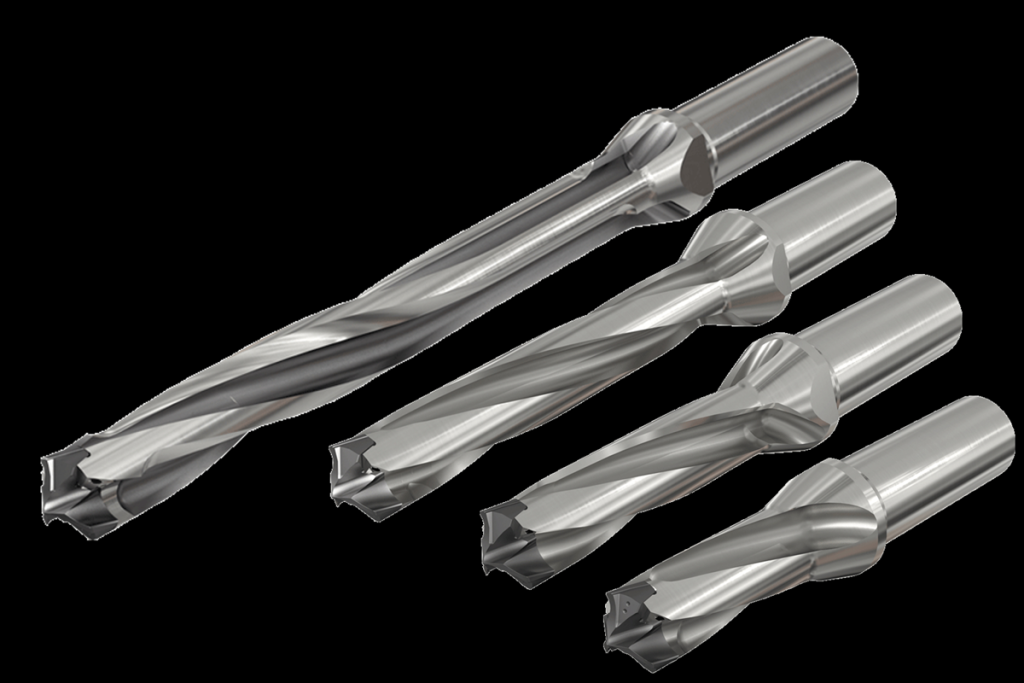
Jiffy modular drill system – designed for heavy-duty drilling
Kennametal modular drill – optimized for precision CNC machining
Traditional drills rarely meet the accuracy and durability requirements of these applications.
7. Table: Which Drill Type Fits Your Application?
| Application | Recommended Choice | Reason |
|---|---|---|
| Home DIY | Modular drill | One tool, many tasks |
| Installation & renovation | Modular drill system | Fast task switching |
| Tight-space drilling | Modular drill + angle attachment | Better access |
| Light workshop use | Either | Depends on budget |
| CNC / industrial drilling | Modular drill system | Precision & stability |
8. Cost and Long-Term Value
Although modular drill systems may have a higher initial cost, they usually provide better long-term value by:
Reducing the number of tools required
Minimizing storage space
Lowering maintenance costs
Increasing productivity
Over time, a modular drill system often becomes more economical than purchasing multiple traditional drills.
9. How to Decide Between Modular and Traditional Drills
Ask yourself:
Do I perform multiple drilling and driving tasks regularly?
Do I often work in tight or awkward spaces?
Do I want to reduce the number of tools I carry?
Do I plan to expand my tool system in the future?
If the answer to most of these is “yes,” a modular drill system is the better choice.
10. Conclusion
A modular drill system offers clear advantages over traditional drills in flexibility, efficiency, and long-term value. Whether you are using a Craftsman modular drill for daily tasks, a Stanley modular drill and driver set on job sites, or an industrial Kennametal modular drill in CNC machining, modular technology provides a smarter way to work.
For users who value versatility and productivity, modular drills are quickly becoming the new standard.