
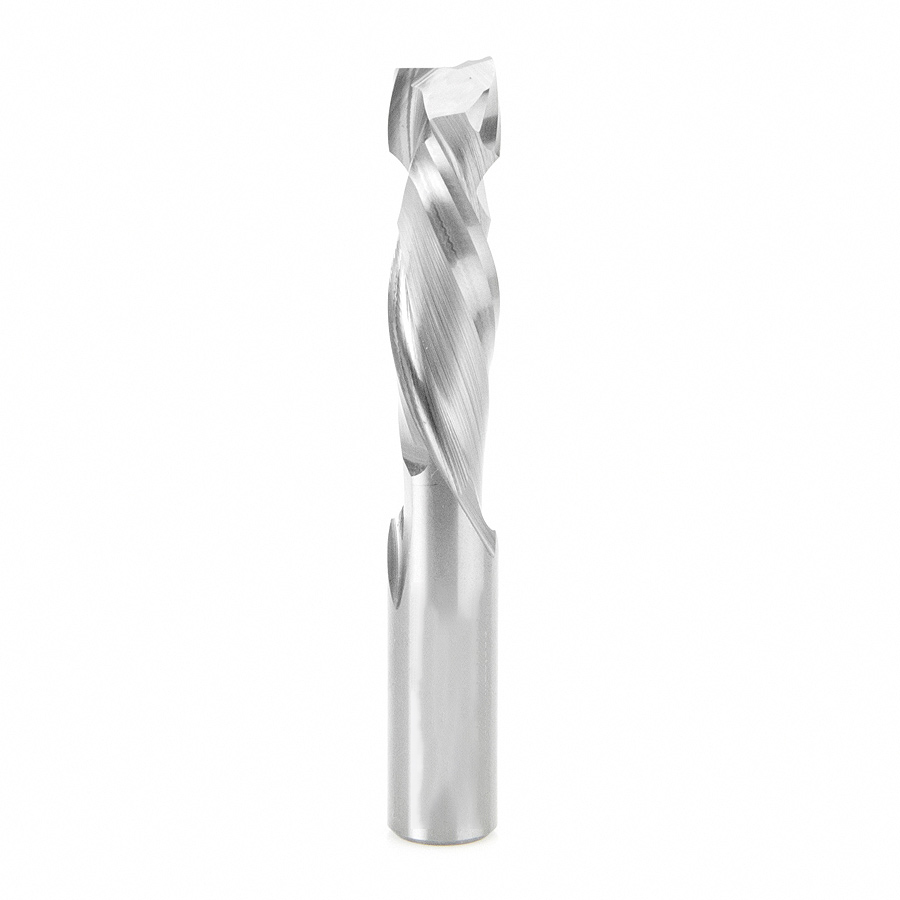
Selecting the correct cutting tool is critical for achieving stable performance, clean finishes, and consistent results. When it comes to routing, one of the most common decisions professionals face is how to choose the right spiral router bit for router table use versus CNC routing applications.
Although spiral router bits are used in both environments, the cutting conditions, feed methods, and performance requirements are very different. In this guide, we explain how to select the most suitable spiral router bit for each setup and how to maximize cutting efficiency in both manual and CNC-controlled routing operations.
Understanding the Difference: Router Table vs CNC Routing
Before choosing a tool, it is important to understand how routing conditions differ between a router table and a CNC router.
Router Table Characteristics
Manual or semi-manual feeding
Operator-controlled feed speed
Shorter cutting cycles
High importance of edge control and safety
CNC Router Characteristics
Automated feed and toolpath control
Continuous cutting at high RPM
Longer machining cycles
High demand for chip evacuation and thermal stability
These differences directly influence which spiral router bit types perform best in each environment.
Why Spiral Router Bits Are Preferred in Both Setups
Spiral router bits are widely selected because their helical cutting edge manages chip flow more effectively than straight-flute tools. This is especially important when comparing router bit straight vs spiral designs.
In both router table and CNC use, spiral tools offer:
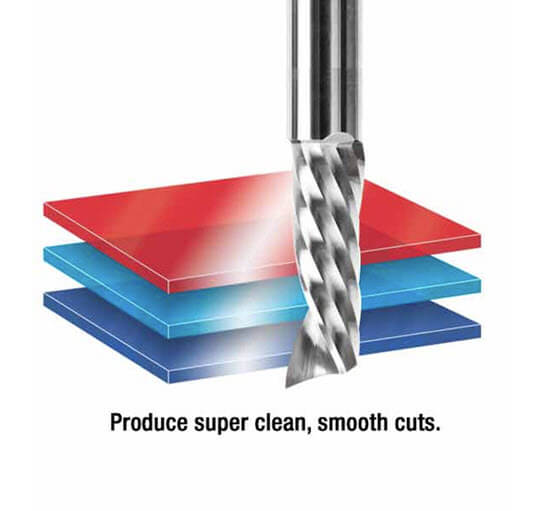
Smoother cutting action
Reduced vibration
Improved surface finish
Better chip control
However, the specific spiral router bit configuration should be matched to the machine type.
Choosing a Spiral Bit for Router Table Applications
A spiral bit for router table use must prioritize control, safety, and surface quality. Because feeding is done manually, stable cutting behavior is critical.
Recommended Spiral Router Bit Types for Router Tables
Spiral trim router bit – for edge trimming and finishing
Spiral flush router bit – for template routing and laminate trimming
Carving spiral router bit – for decorative profiling and contours
These tools provide cleaner edges and reduced tear-out compared with straight bits, especially on plywood and laminated materials.
Key Considerations for Router Table Selection
Moderate cutting depth
Stable edge control
Clean top-surface finish
Reduced kickback risk
Spiral tools help maintain smooth feeding and consistent results, even when working with visible edges.
Spiral Router Bit Selection for CNC Routing
CNC routing places higher demands on tool geometry due to continuous cutting and automated feed rates. In CNC environments, chip evacuation and heat control become the primary concerns.
Common Spiral Router Bit Uses in CNC
Nesting-based manufacturing
Panel cutting and profiling
Slotting and pocket routing
High-speed production machining
For these tasks, spiral designs are essential for maintaining stable cutting performance.
Best Spiral Router Bit Types for CNC Machines
CNC routing typically relies on:
Spiral plunge router bit – for vertical entry and interior cuts
Spiral mortising router bit – for deep slots and joinery
Long spiral router bit – for thick materials and deep cutting paths
Many CNC shops also use a spiral mortising router bit set to cover multiple cutting widths without changing tool families.
Router Table vs CNC: Spiral Router Bit Comparison Table
| Factor | Router Table | CNC Router |
|---|---|---|
| Feeding method | Manual | Automated |
| Cutting cycle | Short | Continuous |
| Chip evacuation | Moderate | Critical |
| Preferred bit type | Trim / Flush / Carving | Plunge / Mortising / Long |
| Surface finish priority | Very high | High |
| Tool wear tolerance | Moderate | Low |
| Productivity focus | Control & safety | Speed & consistency |
Selecting the Right Spiral Router Bit Size
Size selection also differs between router tables and CNC machines.
Common Size Choices
5mm spiral router bit – fine detail, light routing
8mm spiral router bit – trimming and profiling
12mm spiral router bit – general-purpose routing
20mm spiral router bit – heavy material removal
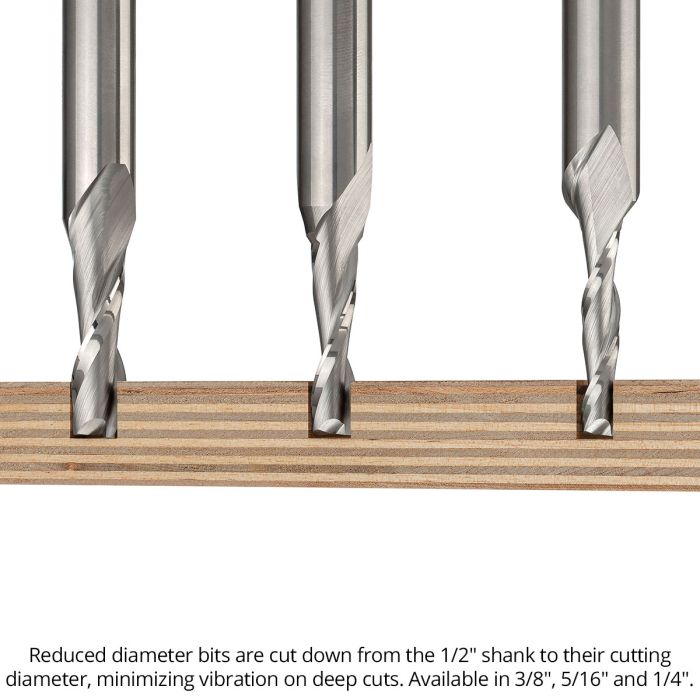
In inch-based systems, popular sizes include 1/8 spiral router bit, 3/8 spiral router bit, 1/2 spiral router bit, 3/4 spiral router bit, and 2 inch spiral router bit.
Larger diameters are often preferred in CNC routing for stability, while smaller sizes are common on router tables for precision work.
Materials and Application Matching
Spiral router bits are commonly used on:
Solid wood
MDF and plywood
Plastics and acrylic
Aluminum and non-ferrous metals
For CNC machining of plastics and aluminum, spiral designs help prevent melting and edge buildup by efficiently clearing chips from the cutting zone.
Common Mistakes When Choosing Spiral Router Bits
Many users encounter issues due to improper selection:
Using long spiral router bits on router tables (reduced control)
Using short trim bits for deep CNC pocketing
Selecting oversized diameters for manual routing
Matching the spiral router bit to the machine type avoids these problems and improves overall results.
Final Thoughts: Router Table or CNC—Choose the Right Spiral Router Bit
Understanding how routing conditions differ between router tables and CNC machines is essential when selecting spiral router bits. While spiral designs outperform straight tools in most cases, choosing the correct spiral router bit type, length, and size ensures optimal performance for each application.
Whether you are manually feeding stock on a router table or running continuous CNC production, the right spiral router bit delivers better finishes, longer tool life, and more reliable cutting results.