

Define “best” for your shop
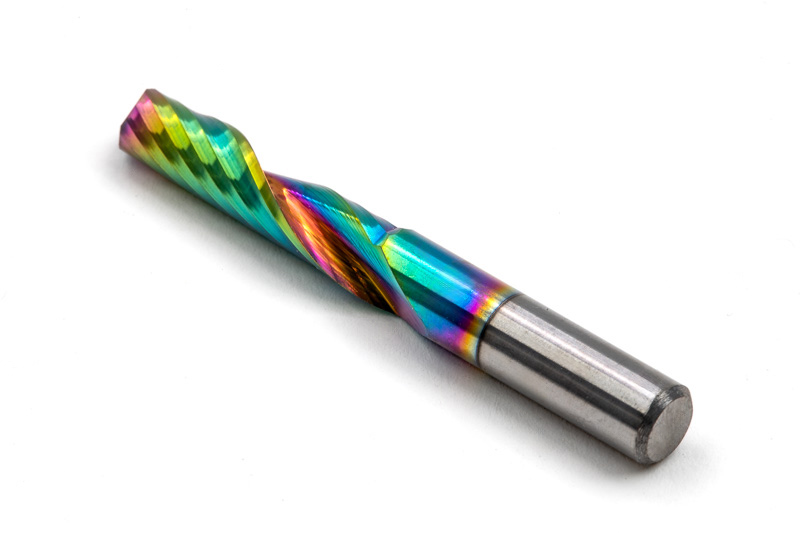
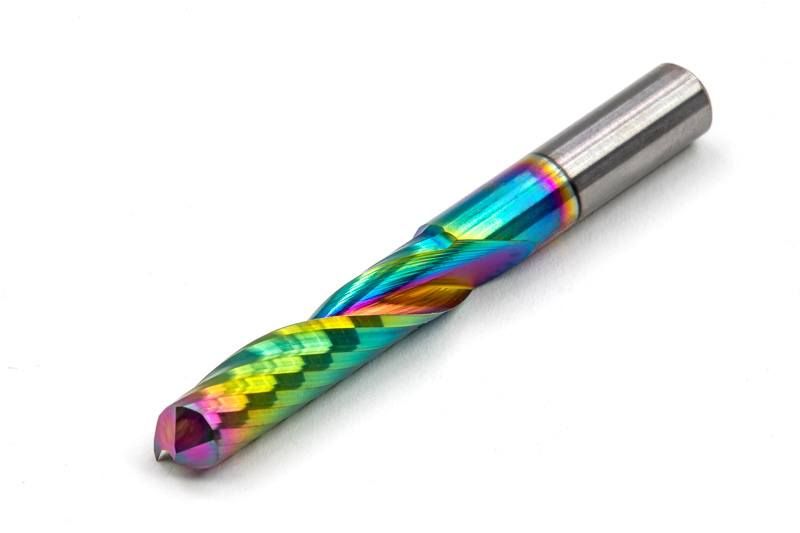
The best spiral upcut router bit is the one that gives you the lowest cost per usable part with the least operator stress. That’s a mix of tool life, surface finish, cycle time, and scrap avoidance. Buying “best” is not about one brand; it’s about matching the tool to your machine, material, and workflow.
Use this article as a buying checklist: carbide choice, size and shank, bearing guidance for templates, and how to compare brands like Whiteside and Freud without hype.
Carbide spiral upcut router bit: tipped vs solid carbide
Carbide-tipped router bits are widely recommended over steel when you need longer edge life and better heat resistance. Solid carbide router bits are typically used for specific applications such as mortising, laminate trimming, and pattern cutting where other bits may not perform as well. The tradeoff is that solid carbide can be more brittle if the setup is unstable.
A practical buying split:
• Choose solid-carbide upcut spiral router bit when you have: rigid CNC, good collets, low runout, and stable workholding.
• Choose carbide-tipped when you have: mixed handheld work, inconsistent fixtures, or you want a durable “generalist” bit with strong value.
Carbide construction comparison table
| Option | Best for | Pros | Cons | Buyer tip |
|---|---|---|---|---|
| Carbide-tipped | General routing | Great edge life vs steel; value | Can vary by grind/brazing quality | Buy from reputable suppliers with clear specs |
| Solid carbide | CNC and precision routing | High wear resistance and precision potential | More brittle if chatter/runout exists | Keep stick-out short; prioritize rigid holders |
Sizing and the 1/4 shank reality
Many shoppers want a spiral upcut router bit 1/4 shank because their router only has a 1/4-inch collet. That’s fine for many tasks, especially with 1/8 and 1/4 diameter tools. The key is to respect stiffness limits:
- Keep stick-out minimal.
• Use multiple passes rather than one deep plunge.
• Prefer shorter flute lengths when possible.
• Avoid oversized diameters on a 1/4 shank unless you truly need them.
If you see “3/8 upcut spiral router bit 1/4 shank,” treat it as a light-duty option: keep flute length short and reduce engagement. When you can, a 1/2 shank is more forgiving for 3/8 and larger diameters.
Table: recommended match of diameter to shank
| Bit diameter | Preferred shank | Why | If you must use 1/4 shank |
|---|---|---|---|
| 1/16 - 1/8 | 1/8 or 1/4 | Small tools, light loads | Use precision collet; very light passes |
| 1/4 | 1/4 (or 1/2 if available) | Common default size | Keep stick-out short |
| 5/16 | 1/4 or 1/2 | Mid-size loads | Prefer 1/2 for aggressive routing |
| 3/8 | 1/2 | Better stiffness for heavier cuts | Use short flute; reduce depth/width |
| 5/8 - 3/4 | 1/2 | High load tools | Not recommended on 1/4 shank |
When you need a spiral upcut router bit with bearing
If you’re searching “spiral upcut router bit with bearing” or “spiral upcut router bit with top bearing,” you’re usually doing flush trimming or pattern routing. A flush-trimming bit is a bearing-guided bit used to rout one surface flush with an adjoining surface (template or reference edge).
Why spiral + bearing is popular: spiral geometry can leave a cleaner wall and clears chips better than many straight flush-trim designs, which can help when trimming thicker materials or solid-surface products.
Top bearing vs bottom bearing: choose by template position
| Bearing location | Template location | Common use | Pro tip |
|---|---|---|---|
| Top bearing | Template on top | Pattern routing from above, handheld template work | Keep template firmly secured; avoid gaps |
| Bottom bearing | Template below | Laminate trimming, pattern routing with template under work | Use a stable base; watch grain direction |
| Dual bearing (if available) | Either side | Flexible setups | Verify bearing diameter matches your desired cut line |
Where to buy: Home Depot, Lowe’s, and specialty tooling suppliers
Queries like “spiral upcut router bit home depot” and “spiral upcut router bit lowes” usually mean you want fast access and returns. Big-box stores are great for common profiles and emergency replacement. Specialty suppliers tend to offer more CNC-focused options: solid carbide spirals, different flute lengths, compression bits, and bearing-guided spirals with clearer specs.
If you’re standardizing a production process, choose sources that consistently deliver the same geometry and carbide spec across repeat purchases.
Whiteside spiral upcut router bit vs Freud spiral upcut router bit
Brand searches—whiteside spiral upcut router bit, freud spiral upcut router bit—are common because these brands are widely known in woodworking. The fair comparison is spec-based:
1) Carbide and grind: Is it solid carbide or carbide-tipped? Are flute edges consistent?
2) Length and stiffness: Is the flute length appropriate, or is it longer than you need?
3) Shank size: 1/4 vs 1/2 and how well it fits your collet system.
4) Bearing quality (if applicable): sealed, replaceable, smooth rotation.
5) Published application fit: some product pages highlight fast, clean trimming and chip clearing for specific materials—use those notes as a starting hypothesis, then validate.
If you can’t verify specs, don’t assume “best.” Buy one, test it on your materials, and measure finish + tool life.
Buying checklist table (copy/paste into your purchasing process)
| Checklist item | Minimum requirement | Why it matters |
|---|---|---|
| Carbide type | Clear labeling (tipped vs solid) | Predicts edge life and brittleness |
| Upcut geometry | True upcut helix | Ensures chip evacuation you expect |
| Flute length | Matches job depth | Avoids unnecessary deflection |
| Shank match | Correct collet fit; minimal stick-out | Stability and safety |
| Bearing (if needed) | Correct placement + replaceable bearing | Template accuracy in flush trim |
| Consistency | Same geometry across reorders | Process stability and repeatability |
| Support | Clear supplier spec sheet | Helps you tune feeds and repeat results |
Care, storage, and why bits “chip in the drawer
Carbide edges can chip from simple contact. Store spiral bits in individual sleeves or a rack where flutes do not touch. Avoid tossing used bits into the same pocket as new tools. Clean resin buildup from flutes (especially after plywood/MDF) because buildup increases heat and ruins finish. If you treat storage like part of the cutting process, your “best” bit stays best longer.
FAQ
1) What is the best spiral upcut router bit for general use?
Often a 1/4 spiral upcut router bit is a strong starting point because it balances stiffness and versatility.
2) Is carbide spiral upcut router bit better than steel?
Carbide-tipped bits generally stay sharp longer and handle heat better than steel, which can improve finish and life.
3) Should I choose solid carbide?
Choose solid carbide if your setup is rigid and runout is controlled; otherwise carbide-tipped can be more forgiving.
4) Can I use a 3/8 upcut spiral router bit 1/4 shank?
You can, but treat it as light-duty: keep flute length short, reduce engagement, and keep stick-out minimal.
5) Do I need a spiral upcut router bit with top bearing?
Only if you’re template routing or flush trimming with the template on top of the work.
6) Home Depot or Lowe’s vs specialty suppliers?
Big-box is convenient; specialty suppliers often provide more spec options and consistency for CNC workflows.
7) Whiteside vs Freud—who is best?
Compare by specs and performance on your material. Brand is less important than carbide type, flute length, shank size, and bearing quality.
8) Is an upcut spiral router bit set worth it?
Only if the sizes match your frequent jobs. Otherwise build a core set plus duplicates of your top size.