
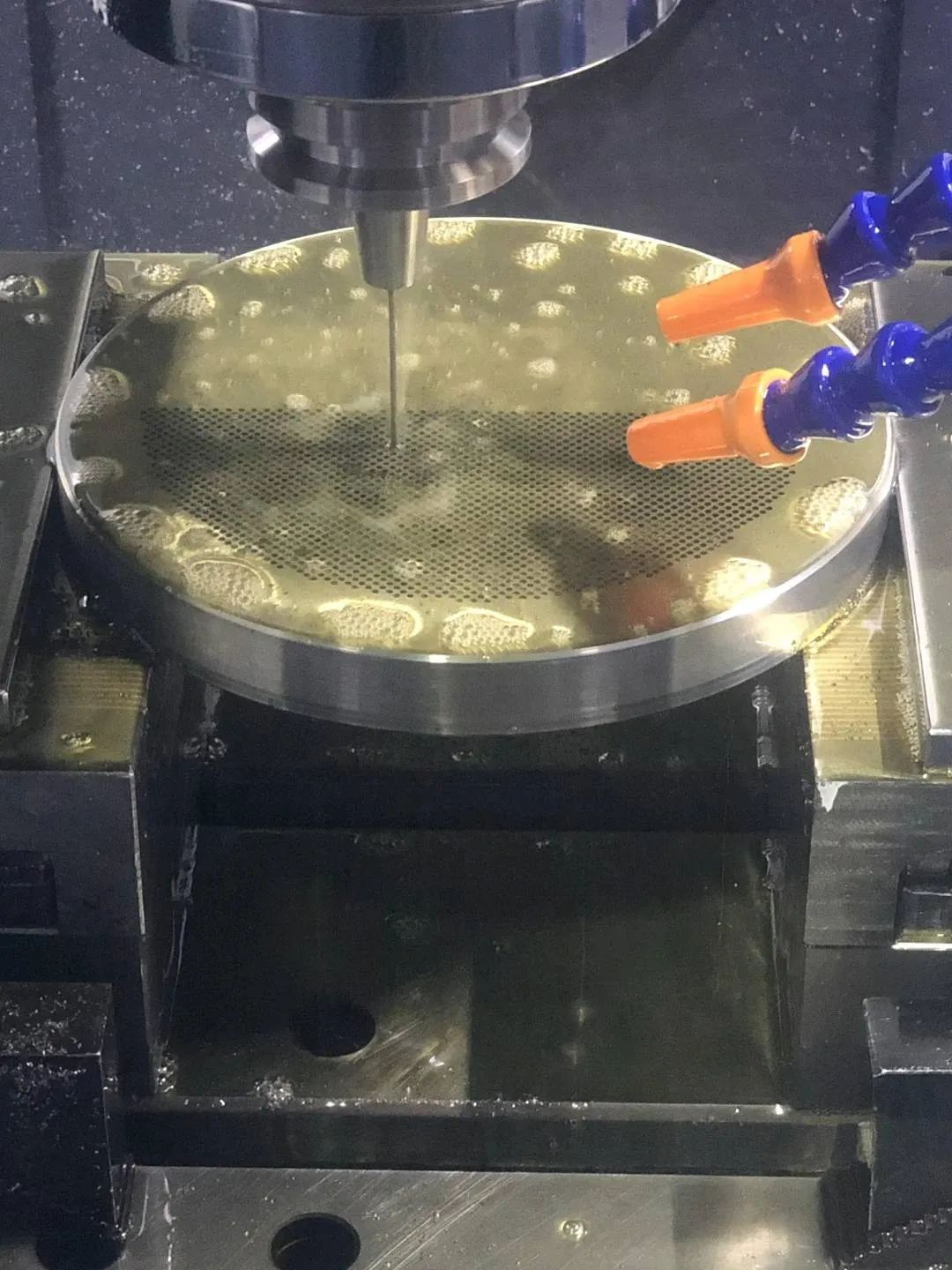
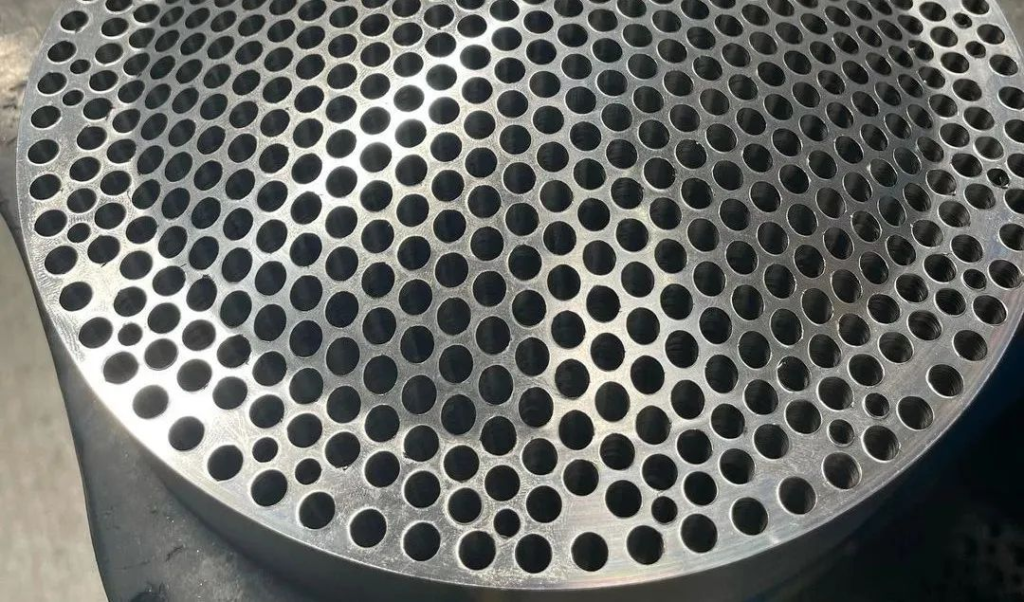
Deep hole machining is one of the most demanding processes in modern manufacturing.
When holes reach depths exceeding 7× their diameter, challenges such as tool deflection, poor surface finish, or diameter deviation become common.
For industries like aerospace, automotive, and hydraulic engineering — where precision and reliability are everything — solving these issues is essential.
In this article, we’ll explore 10 common deep hole machining problems and how to fix them effectively to maintain accuracy, efficiency, and tool life.
1. Oversized Holes (Enlarged Bore Diameter)
Symptoms: The hole diameter is larger than specified, and dimensional tolerance cannot be met.
Possible Causes:
The reamer’s outer diameter is slightly oversized or has burrs.
Cutting speed too high or feed too low.
Tool bending or excessive radial runout.
Improper coolant or poor lubrication.
Misalignment between tool and workpiece.
Solutions:
Adjust reamer size and check for burrs or wear.
Reduce cutting speed and feed appropriately.
Straighten or replace deformed tools.
Use high-pressure coolant with strong cooling and chip-removal ability.
Ensure proper alignment and clean toolholder tapers before installation.
2. Undersized Holes (Smaller Than Target Diameter)
Causes:
Reamer design undersized or dull cutting edges.
Too low cutting speed or excessive feed.
Insufficient lubrication or elastic recovery of the material after cutting.
Solutions:
Use sharp, properly dimensioned tools.
Increase cutting speed and use oil-based cutting fluid.
Regrind worn reamers regularly.
Consider material spring-back when designing tool size.
3. Out-of-Round Holes
Causes:
Reamer too long with poor rigidity.
Spindle bearing looseness or lack of guide bushing.
Workpiece clamping too tight causing deformation.
Solutions:
Use reamers with variable tooth pitch to reduce vibration.
Adjust spindle bearings and use precision guide bushings.
Reduce clamping pressure on thin-walled parts.
4. Rough Internal Surface with Visible Ridges
Causes:
Excessive stock allowance or too large back rake.
Poor surface on pre-drilled holes.
Spindle runout or poor reamer geometry.
Solutions:
Reduce reaming allowance.
Decrease relief angle and narrow cutting width.
Ensure the pre-drilled hole is smooth and concentric.
Adjust machine spindle precision if needed.
5. High Surface Roughness (Poor Finish)
Causes:
Cutting speed too high or wrong cutting fluid.
Reamer edge geometry incorrect or uneven.
Chips not evacuated properly.
Tool edge worn, chipped, or with built-up burrs.
Solutions:
Reduce speed and optimize cutting parameters.
Use smooth, sharp edges and oil-based coolant.
Increase chip space or flute volume for smoother evacuation.
Regrind and polish reamers regularly to maintain sharpness.
6. Short Tool Life
Causes:
Inappropriate tool material or overheating during regrinding.
Wrong coolant selection or poor flow.
Excessive friction or surface roughness after sharpening.
Solutions:
Use carbide or coated reamers designed for deep holes.
Ensure proper coolant flow and pressure.
Grind tools carefully to prevent burning or microcracks.
Clean chip flutes frequently to avoid clogging.
7. Hole Position Accuracy Out of Tolerance
Causes:
Worn or misaligned guide bushings.
Loose spindle bearings.
Guide sleeve too short or far from the workpiece.
Solutions:
Replace worn guide bushings regularly.
Extend the guide bushing for better stability.
Adjust spindle bearing clearance and check alignment.
8. Chipped or Broken Cutting Edges
Causes:
Excessive allowance or hard material.
Uneven load due to tool runout.
Chips not removed in time during deep or blind hole cutting.
Solutions:
Optimize pre-hole diameter and stock allowance.
Use carbide tools with negative rake for hard materials.
Increase rake angle for smoother cutting.
Remove chips frequently or use tools with chip breakers.
9. Tool Shank Breakage
Causes:
Excessive material allowance or poor chip evacuation.
Wrong feed or cutting parameters.
Small flute space causing chip blockage.
Solutions:
Adjust cutting parameters and stock distribution.
Reduce number of flutes for better chip clearance.
Regrind tool to enlarge chip pocket space.
10. Hole Centerline Deviation (Non-Straight Hole)
Causes:
Misaligned pre-drilled hole or insufficient tool guidance.
Reamer deflection due to long unsupported length.
Improper feed direction during hand reaming.
Solutions:
Re-center pre-drilled holes with boring or pilot drilling.
Use tools with longer guiding sections or flexible floating holders.
Reduce main cutting angle to stabilize direction.
Ensure correct and steady feed during operation.
Summary Table: Common Problems and Fixes in Deep Hole Machining
Problem | Typical Cause | Recommended Solution |
Hole Oversized | Too high cutting speed, dull tool | Reduce speed, check reamer edge |
Hole Undersized | Tool dull or undersized | Sharpen or replace reamer |
Hole Not Round | Poor rigidity or misalignment | Use guide bushings, increase stiffness |
Surface Ridges | Large allowance or wrong geometry | Reduce allowance, regrind edges |
Rough Surface | Poor coolant or tool wear | Optimize coolant and regrind |
Short Tool Life | Overheating or wrong fluid | Use coated tools, better cooling |
Hole Misaligned | Guide wear or spindle looseness | Replace bushings, adjust spindle |
Edge Chipping | Hard material or chip clogging | Clear chips, use carbide tools |
Shank Breakage | Chip blockage, excess load | Reduce feed, improve evacuation |
Hole Not Straight | Poor guidance or tool deflection | Add guide, reduce cutting angle |
Pro Tips for Stable Deep Hole Machining
Use High-Pressure Coolant (≥50 bar) — It’s crucial for chip removal and temperature control.
Keep the tool short and rigid — Minimize overhang to reduce vibration.
Balance feed and speed — Too slow increases friction, too fast reduces accuracy.
Monitor tool wear — Replace before edge failure occurs.
Perform test cuts — Especially for new materials or tool geometries.
Why Deep Hole Stability Matters
Deep hole drilling is at the heart of many high-value parts — from hydraulic cylinders and crankshafts to aerospace components and mold cooling channels.
A minor deviation or vibration can cause costly rework or scrapped parts.
That’s why more manufacturers rely on precision-engineered tools and optimized coolant systems to achieve repeatable results, reduce downtime, and boost throughput.
Partner with Huana Tools for High-Precision Deep Hole Machining
At Huana Tools, we specialize in high-performance cutting tools engineered for deep hole machining, reaming, and drilling applications.
Our Advantages:
✅ Custom-designed gun drills, BTA tools, and carbide reamers
✅ Advanced coating technology for extended tool life
✅ Precision-ground edges for excellent surface quality
✅ Fast lead times and expert engineering support
Whether you’re machining steel, cast iron, or titanium alloys, Huana Tools can provide tailor-made solutions to maximize productivity and reliability.
Huana Tools – Your Reliable Partner for Precision and Performance.
📞 Contact us at WhatsApp: +86 17714075018
📧 Email: eve@huanatools.com
Visit: www.huanatools.com